Study in Japan
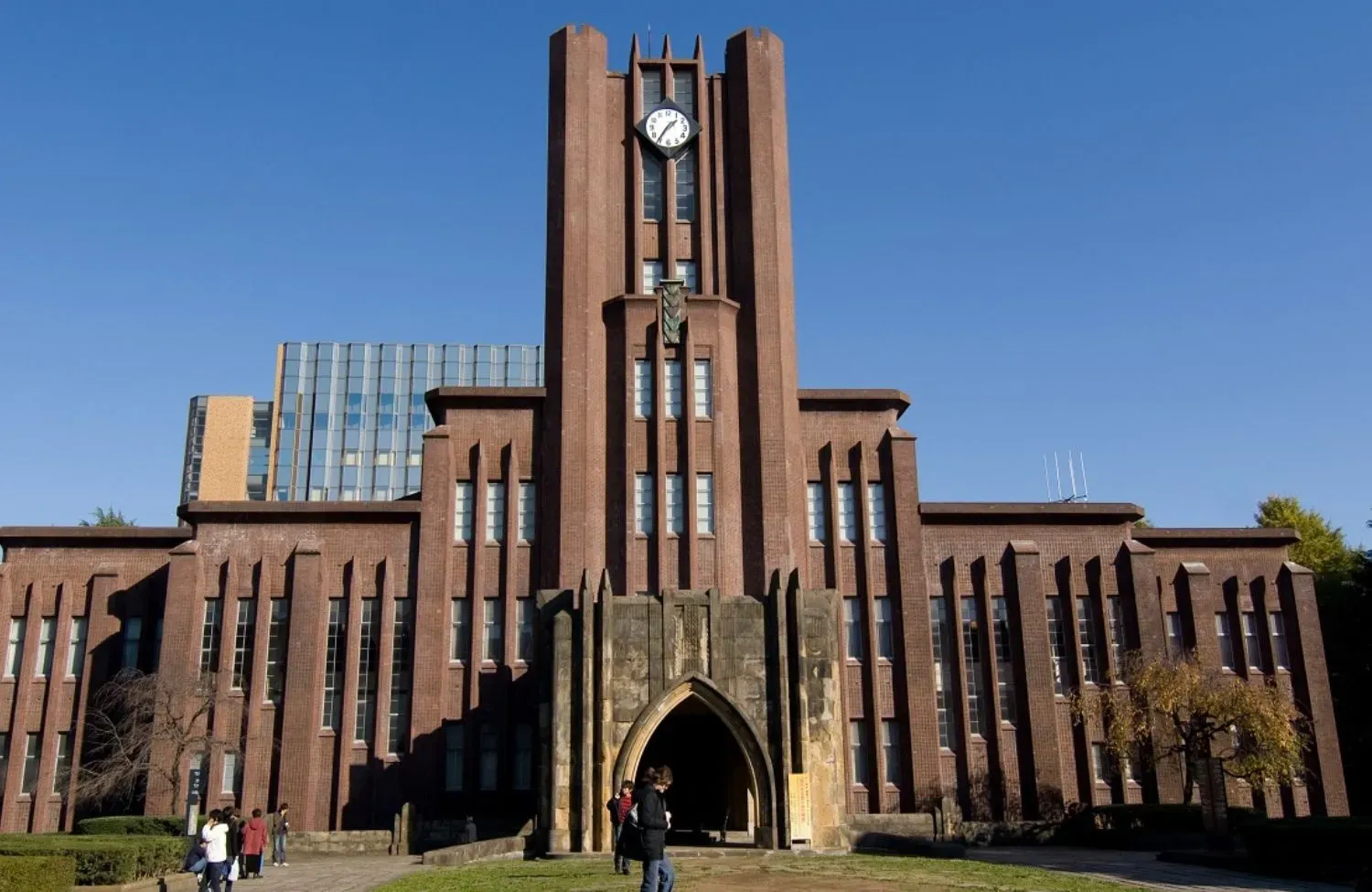
Japan is one of Asia’s most advanced and student-friendly study destinations, attracting thousands of international students every year. Japan offers an excellent environment for academic and personal growth as it is known for its world-class universities, cutting-edge technology, rich cultural heritage, and strong economy.
Basic information on Japan
| Area | Approx. 378,000 km2 |
| Population | Approx. 124,352,000 |
| Capital | Tokyo |
| Language | Japanese |
| Currency | Yen (¥) |
Why Study in Japan from Nepal?
World-Class Educational Standards
Japan is a leading destination for international students due to its world-class science and technology. Renowned for innovations in fields such as robotics, artificial intelligence, automobiles, aerospace, and medical technology, Japan offers students access to cutting-edge education and research. Beyond academics, Japanese institutions also emphasize personal development by fostering values such as respect, discipline, and strong interpersonal skills, helping students succeed both professionally and personally.
Affordable Tuition fees
Due to its affordable academic fees, Japan is an attractive destination compared to other nations for studying abroad. High-quality education at reasonable tuition costs are provided by the public universities, while many private institutions also provide competitive fees. Further, scholarships and tuition reduction programs are also widely available for international students.
International community
Japanese universities are home to a growing international community, welcoming students from around the world. This diverse environment encourages cultural exchange, global networking, and collaboration, helping students develop international perspectives while building lifelong connections. Further, many Japanese institutions are offering programs in English so that the need to learn Japanese does not become a barrier.
Rich Culture and Modern Lifestyle
Japan offers a unique blend of rich cultural heritage and modern innovation. Students can experience traditional festivals, historic temples, and centuries-old customs while living in some of the world's most technologically advanced cities. This balance allows international students to enjoy an exciting and enriching lifestyle beyond the classroom.
Strong Economy
Japan's robust economy offers international students outstanding opportunities during and after their studies. As a leading global economy, Japan provides access to top-tier education, internships, part-time jobs, and career paths with internationally renowned companies. The country's stable economy, cutting-edge technology, and high demand for skilled workers make it an excellent choice for both academic and professional development.
Employment opportunities
Japan offers excellent employment opportunities for international students and graduates across a wide range of industries. International students can work part-time during their studies (subject to visa regulations), allowing them to gain practical experience while supporting their living expenses. After graduation, eligible students may also transition to work visas and build successful careers in Japan's innovative and globally recognized industries.
Safe and Peaceful
Japan is widely recognized as one of the safest and most peaceful countries in the world, making it an ideal destination for international students. Its low crime rate, clean cities, and reliable public transportation provide a secure and comfortable living environment. Students can travel, study, and explore with confidence while enjoying a high quality of life.
Types of degrees in Japan
| Japanese language learning | ||
| Language acquisition | Japanese language institute | Up to 2 years |
| University entry | Japanese language institute | Up to 2 years |
| University entry | Preparatory Japanese language programs offered at private universities and junior colleges | 1-2 years |
Field of study: University entry course, Japanese conversation, Business Japanese
| Academic degrees and titles | ||||
| Bachelor’s degree | University | 4 years (6 years for some ) | ||
| Master’s degree | Graduate school | 2 years | ||
| Doctoral degree | Graduate school | 3 years | ||
| Associate degree | Junior college | 2 years(3 years for some | ||
| Associate degree | College of technology | 3 years(3 years and 6 months for some) | ||
| Diploma | Professional training college | 2-3 years | ||
| Advanced diploma | Professional training college | 4 years | ||
Field of study: Economics, education, physics, engineering, information science, medicine, agriculture, design, art, fashion, anime
| Short-term study experiences | ||
| Short-term study | Japanese language institute, short-term university program | Several months – 1 year |
| Student exchange program | University | Up to 1 year |
Field of study: Japanese language, Japanese culture, Comparative culture
About Japanese Language Education Centers
Japanese Language Education Centers are institutions that provide Japanese language training for international students who wish to study, work, or live in Japan. These centers help students develop essential language skills while introducing them to Japanese culture, customs, and academic life. Many international students enroll in a language education center before progressing to universities, vocational schools, or employment opportunities in Japan.
Eligibility to study in Japan for International Students
Every country has its own admission criteria and students has to meet those eligibility criteria to be able to study in that country. The universities of Japan also have their own eligibility criteria. According to the eligibility criteria, you must have completed 12 years of education to apply for admission to a university (undergraduate), junior college, or professional training college in Japan. Further the student must have completed 11 years of education to apply for admission (transfer into the third year) to a college of technology, and 16 years of education for a graduate school (master’s program).
Document required for application:
- Certificate of Eligibility (COE) from your school
- Valid passport
- Proof of Financial support
- Academic documents
- Medical documents (if required)
Top courses to study in Japan
Japan offers a wide range of academic programs designed to meet the interests and career goals of international students. Japanese universities provide high-quality education with a strong emphasis on innovation, research, and practical learning. Many institutions also offer English-taught programs, making Japan an attractive destination for students from around the world.
The courses offered by Japan are listed below:
- Arts
- Science & Engineering
- Health care
- Physical education
- Agriculture & Veterinary science
- Pharmacy
- Home economics
- Liberal arts
- Social science
- Medicine
- Humanities
- Literature & Education
- Hospitality
- Tourism
- Japanese Language
- Law, Commerce & Economics
Intakes in Japan for Nepalese Students
International students can enroll in Japanese universities in April and October. The largest number of colleges, programs, and scholarship opportunities are available during the April intake, which is the primary admissions season. Many universities also offer the October intake, especially for graduate and English-taught programs. Furthermore, Japanese language schools typically have four intakes each year i.e. January, April, July, and October, giving students more freedom to decide when to start their studies.
Cost of Studying and Living in Japan for International Students
Japan offers affordable tuition fees compared to countries such as the United States and the United Kingdom, making it an attractive study destination. Many universities also provide scholarships and tuition reduction or exemption programs for international students. While admission and tuition fees vary by institution, students should also budget for additional costs such as examination fees, study materials, and practical training expenses. It is recommended to check the university's official website for the most up-to-date fee information.
| National | Local Public | Private
(excludes medical, dental, and pharmaceutical programs) |
Private (medical, dental, and pharmaceutical program) | |
| Graduate Schools | Approx. 820,000 yen | Approx. 900,000 yen | Approx. 1,100,000 yen | Approx. 870,000yen |
| Universities
(Undergraduate) |
Approx. 820,000 yen | Approx. 910,000 yen | Approx. 1,300,000 yen | Approx. 3,800,000 yen |
| Junior Colleges | Approx. 600,000 yen | Approx.1,200,000 yen |
| Colleges of Technology (National) | Approx. 320,000 yen |
| Specialized Training Colleges | Approx. 1,300,000 yen |
| Japanese Language Institutions | Approx. 610,000 – 1,900,000 yen fees may vary by course |
The cost of living in Japan is generally affordable for international students, especially when compared to the quality of life and public services available. Monthly expenses vary depending on the city, lifestyle, and type of accommodation, with major cities such as Tokyo typically costing more than smaller cities.
| Monthly living expenses (excluding tuition) | ||
| Kyushu: 82,000 yen | Tokyo: 130,000 yen | |
| Chugoku: 84,000 yen | Kanto: 123,000 yen | |
| Shikoku: 80,000 yen | Tohoku: 82,000 yen | |
| Kinki: 101,000 yen | Hokkaido: 94,000 yen | |
| Chubu: 89,000 yen | National average: 105,000 yen | |
Scholarships for international students in Japan
Japan offers a variety of scholarship opportunities to help international students achieve their academic goals. Scholarships are provided by the Japanese government, universities, local authorities, and private organizations, making quality education more affordable. Depending on the scholarship, students may receive support for tuition fees, living expenses, travel costs, or a combination of these. The types of scholarships are as follows:
- Japanese Government (Ministry of Education, Culture, Sports, Science and Technology (MEXT) Scholarships
This is a type of scholarship that is fully funded by the Japanese government. It covers tuition fees, monthly living allowance, and round-trip airfare. This scholarship is available for undergraduate, master’s, PhD, and research students.
- Japan Student Services Organization (JASSO) Scholarships
It is offered by the Japan Student Service Organization (JASSO). Under this there are two types of scholarships: the Monbukagakusho Honors Scholarship for Privately-Financed International Students and the Student Exchange Support Program (Scholarship for Short-term Study in Japan). Here, a student is provided with a monthly stipend to help with living expenses.
- Scholarships from Local Municipalities and Related International Exchange Organizations.
This scholarship is provided to the students who live or attend a school in the municipality by the local municipalities in Japan and related international exchange organizations with the motive of attracting international students.
- Private Scholarships
Private scholarships are funded by the private organizations. This scholarship is often available for students in specific fields of study or from particular countries. This scholarship may provide tuition support, living expenses, or both.
- Pre-arrival Scholarships
Pre-arrival scholarships are scholarships that students apply for and are awarded before traveling to Japan. These scholarships can cover tuition fees, living expenses, travel costs, or a combination of these, helping students begin their studies in Japan with reduced financial stress.
Student visas for Japan
International students planning to study in Japan for more than three months must obtain a student visa before entering the country. The visa application process is straightforward and usually begins after receiving an admission offer from a recognized Japanese educational institution. With the support of the university in obtaining a Certificate of Eligibility (COE), students can complete the visa process and prepare for a smooth transition to studying in Japan. Japan mainly has one visa category for international students, but it applies to different types of educational institutions.
The types of student visas in Japan are:
- University Student Visa
For students enrolled in undergraduate, master’s, PhD, or research programs at Japanese universities.
- Junior College Student Visa
For students studying at junior colleges offering two or three year academic programs.
- Vocational School Student Visa
For students pursuing professional or technical education in fields such as IT, business, hospitality, animation, fashion, and healthcare.
- Japanese Language School Student Visa
For students enrolled in approved Japanese language institutes to improve their Japanese language skills.
- College of Technology Student Visa
For students attending Colleges of Technology, which specialize in engineering and technical education.
Post-Study work opportunities in Japan for international students
There are a growing number of companies that are willing to hire individuals from a different nation. If an international student gets employed then they have to change their status of residence from “Student” to “Engineer/Specialist in humanities/ International Services” status of residence in order to work in Japan. Under the circumstances when you are unable to find a job before graduation from the Japanese university or professional training college, you can still look for job for one more year after graduation by changing your status of residence from “Student” to “Designated Activities”. Under the “Designated Activities” the period of stay is six months and as per Japanese rule, only one additional six-month extension is allowed.
Apply to study in Japan from Nepal
Studying in Japan is an excellent opportunity for Nepali students seeking a world-class education, advanced research facilities, and valuable international experience. With a wide range of English-taught and Japanese-taught programs, affordable tuition fees, scholarships, and strong career prospects, Japan has become an increasingly popular study destination.
The application process involves selecting a suitable institution, meeting admission requirements, obtaining a Certificate of Eligibility (COE), and applying for a student visa before beginning your educational journey in Japan. The processing time takes around 2 weeks to 2 months. To avoid any delays in the admission and visa process, it is recommended to apply 3-6 months before your intake.
Here at Student Connect, we will be guiding you through every step from application to visa processing. Start your student visa process by scheduling a free counseling session today. We are here to help you in every step of your student visa journey.